Acmed Oil-Control & Acne Care Facewash
Salicylic acid, panthenol, aloe vera and tea tree oil

Related concern: Acne & Pimples
Acne advice is everywhere. Search for one pimple and within minutes you may find a ten-step routine, a home remedy, a trending ingredient and several confident opinions about what your skin supposedly needs.
The problem is not the lack of information. It is the lack of context.
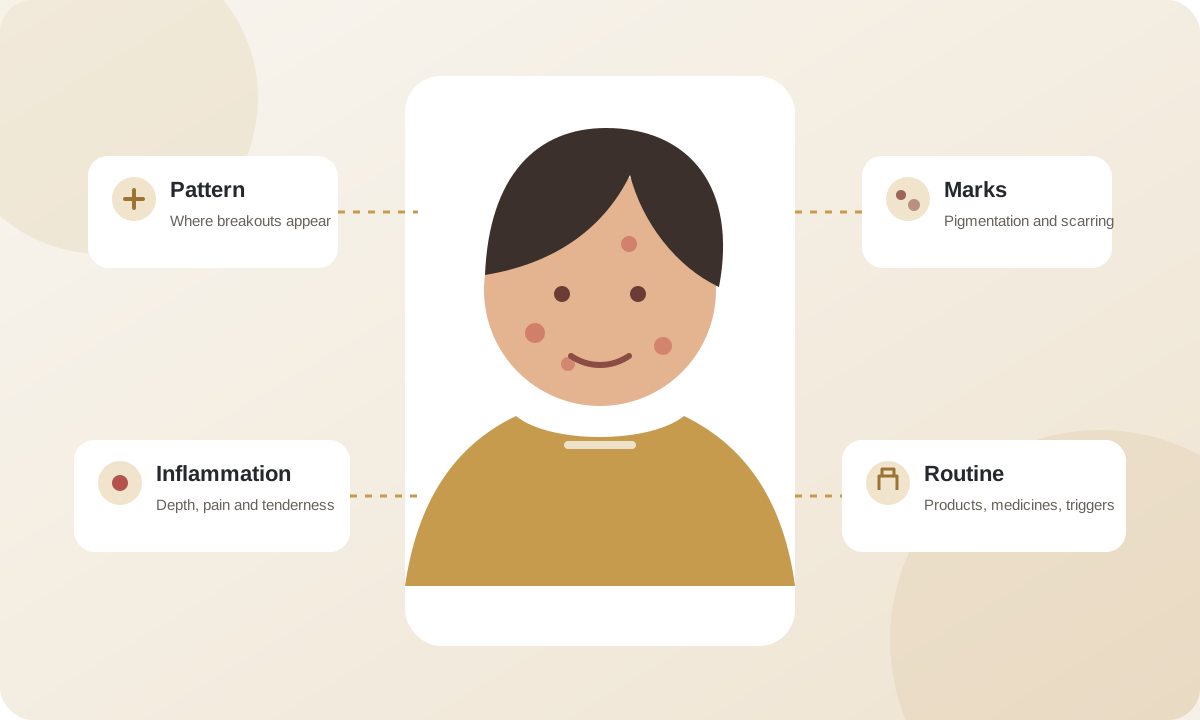
An online post cannot examine your skin; review the products you have already tried or determine whether the bumps you are treating are actually acne. It also cannot assess how deeply the skin is inflamed or whether your breakouts are beginning to leave permanent scars.
This is why a dermatologist consultation can be valuable, particularly when acne is painful, persistent, recurring or affecting your confidence.
Many skin concerns can appear as red bumps, small pustules or rough patches. To an untrained eye, they may all look like acne.
However, rosacea, folliculitis, contact reactions and other conditions may sometimes resemble acne. Using multiple anti-acne products on the wrong condition can worsen redness, dryness or irritation.
A dermatologist examines more than one visible spot. The distribution of the bumps, the presence of blackheads or whiteheads, the degree of inflammation, and symptoms such as itching, tenderness or burning can provide important clues.
A correct assessment matters because treating the wrong condition wastes time and may make the skin harder to manage.
Acne is not simply caused by dirty skin. It develops inside the hair follicle, where several processes can overlap. Understanding those processes makes it easier to see why one ingredient or one product cannot suit every breakout.
Harsh scrubbing does not remove these underlying processes. It can instead irritate the skin barrier and make redness or discomfort more noticeable.
People often wait for acne to “settle on its own”, especially when breakouts keep appearing and disappearing. During that time, repeated inflammation can leave flat dark marks or changes in skin texture.
This concern is particularly relevant for Indian skin tones, where post-inflammatory hyperpigmentation may remain visible long after an active pimple has healed.
Deeper nodules and cysts have a greater risk of causing permanent scars. Picking, squeezing or repeatedly touching inflamed spots can further increase the chance of scarring and pigmentation. Medical guidance is especially important when acne is painful, widespread or already changing the skin’s texture.
The purpose of early consultation is not to make every temporary pimple a medical emergency. It is to recognise when continued trial and error may cause more harm than benefit.
A common response to acne is to keep adding products. One active ingredient is followed by another, often without checking whether the combination is suitable.
This can damage the skin barrier and cause dryness, peeling, stinging or increased sensitivity. Irritated skin may appear redder and more uneven, making it difficult to separate the original acne from product-related inflammation.
Frequently changing treatments creates another problem. Most acne treatments need consistent use before meaningful improvement becomes visible. Replacing a product every few days may prevent you from knowing whether it was ineffective or simply had not been used for long enough. Dermatology guidance notes that acne treatments may require several weeks or a few months before a clear difference is seen.
A dermatologist can simplify the routine, identify unnecessary products and explain how each recommended step should be used.
The most useful ingredient depends on whether the main concern is clogged pores, inflamed pimples, excess oil, irritation or marks left after acne. Dermatology guidelines support several topical treatments, but their strength, format and place in a routine still matter.
Salicylic acid is a beta-hydroxy acid that helps loosen dead cells and clear material from clogged pores. It is commonly found in cleansers and leave-on products and may be useful for blackheads, whiteheads and oily skin. More frequent use is not always better: dryness, stinging or peeling are signs that the routine may need to be reduced or reviewed.
Benzoyl peroxide helps reduce acne-associated bacteria. Topical retinoids such as adapalene help keep pores from becoming blocked and can reduce inflammation. Azelaic acid can help with clogged pores, inflammation and the dark marks that may remain after a spot settles. These ingredients can cause irritation or require special guidance, particularly during pregnancy or when combined with other active products, so a dermatologist or pharmacist should help determine suitability.
Niacinamide and zinc PCA are often included in products intended for oily or blemish-prone skin. Panthenol, glycerine and aloe can support hydration and comfort. These ingredients may make a routine easier to tolerate, but they should not be presented as substitutes for proven acne medicines when treatment is needed.
Glycolic acid, kojic acid, liquorice extract, niacinamide and vitamin C are more commonly used to support exfoliation or improve the appearance of uneven tone. They do not treat every cause of active acne and cannot remove true acne scars. Combining several exfoliating or brightening ingredients can also irritate sensitive skin.
Tea tree oil is frequently marketed for blemish-prone skin, but the evidence is less established than it is for standard acne treatments. Essential oils can also irritate some people, which is why patch testing and cautious use matter.
Ingredient-led examples
The examples below show how different formulations approach cleansing, oil control, barrier support or post-acne uneven tone. They are not ranked, and inclusion does not mean that a product is suitable for every person or that it can replace prescribed treatment.
A dermatology appointment is usually more detailed than a quick inspection of the face.
The doctor may examine where acne appears, whether it involves clogged pores, inflamed pimples, nodules or cysts, and whether marks or scars are developing.
Acne on the forehead may have different contributing factors from recurrent breakouts around the jawline, chest or back. The overall pattern helps guide the assessment.
You may be asked when the acne started, how it has changed, and which treatments you have already used.
Medicines, menstrual changes, pregnancy, underlying health conditions, cosmetics, hair oils, workplace exposure and shaving habits may also be relevant. Mentioning these details helps the dermatologist recommend options suited to your circumstances.
Treatment goals may include clearing existing lesions, reducing new breakouts and helping prevent scars. Depending on the type and severity of acne, care may involve topical medicines, oral medicines, changes to skincare or a combination of approaches.
Not every patient requires strong medication, procedures or a complicated routine. Personalised care can also mean removing unnecessary steps.
Consider professional advice when acne is painful, deep or widespread, or when nodules and cysts are developing. Moderate or severe acne needs appropriate treatment because of the risk of scarring.
A consultation may also be useful when:
Mental and emotional impact should not be dismissed. You do not need to wait until acne becomes severe before discussing how it is affecting you.
Bring a list or photographs of the skincare products and medicines you currently use. Include cleansers, sunscreens, makeup, hair products, supplements and spot treatments.
Note when the breakouts started, whether they follow a pattern and which treatments caused improvement or irritation. Avoid hiding the concern under heavy makeup during the appointment if possible, as the dermatologist needs to examine the skin clearly.
It is also useful to ask what results are realistic, how long the treatment may take, which side effects to watch for and when a follow-up is required.
The internet can help you learn basic skincare principles, but it cannot provide a complete diagnosis through a photograph, comment or short video.
A dermatologist consultation gives you an opportunity to understand the severity of the concern, rule out similar-looking conditions and follow a treatment plan with clear instructions and review points.
Acne care is rarely about finding the most popular product. It is about knowing what your skin needs, what it does not need and when professional intervention could prevent lasting marks or scars.
For persistent or concerning breakouts, find a qualified dermatologist near you and seek advice suited to your individual skin needs.
Consider consulting a dermatologist when acne is painful, deep, widespread, keeps returning or leaves dark marks and scars. Professional advice is also useful when over-the-counter products have not helped after consistent use or have caused irritation.
A dermatologist can assess factors that may be contributing to acne by reviewing its pattern, severity, duration, medical history, medicines, skincare routine and possible triggers. Acne may not always have one single cause, but a detailed assessment can help guide suitable treatment.
General online advice may help with basic skincare habits, but it cannot diagnose your specific concern. Similar-looking bumps may have different causes, and using unsuitable products may worsen irritation or delay appropriate treatment.
Acne treatment usually requires consistency and patience. Some people may notice early improvement within a few weeks, while clearer results can take several months. The duration depends on the type and severity of acne, the treatment used and how the skin responds.
No. Treatment depends on the severity and type of acne. Some people may only need a simpler skincare routine or topical treatment, while others may require oral medicines or additional procedures. A dermatologist selects options according to individual needs.
A dermatologist can assess whether the concern is temporary pigmentation, redness or permanent scarring. Treatment may first focus on controlling active acne before addressing marks or scars, as continued breakouts can create new damage.
Medical Disclaimer: This article is for informational purposes only and does not constitute medical advice. Always consult with a qualified dermatologist for diagnosis and treatment of skin conditions.
Editorial status: prepared by the FindDermat Editorial Team using the cited guidance. A named clinician reviewer is not currently listed.
Get personalized advice from a qualified skin specialist
Find a Dermatologist